Updated 05/08/24
Editing is an important decision. Each edit should advance your story. So when do you make an edit? There are many reasons. Your story should have a rhythm, like a good song and beat. How do you find your rhythm? Here’s an idea: Follow the rhythm of the narration and the soundbites.
EG Trekking Careers – Lindsay Gore
This is a story I produced for Emily Griffith Technical College, profiling a successful graduate. Throughout this story, I use the rhythm of my narration and Lindsay’s soundbites to help make edit decisions.
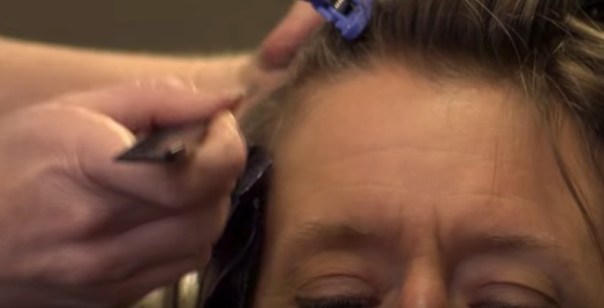
The 1st shot of the story is Lindsay walking to her salon station.
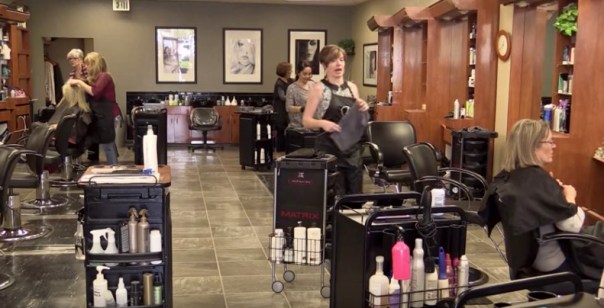
My narration is, “Lindsay Gore, preps for another client.” I make an edit on the word preps. The tight hair shot stays on the screen from :03 to :06.

Lindsay says, “It’s pretty crazy in here. We do a lot of business.” After she says here, I make an edit. I’m finding natural pauses to help me make edit decisions.
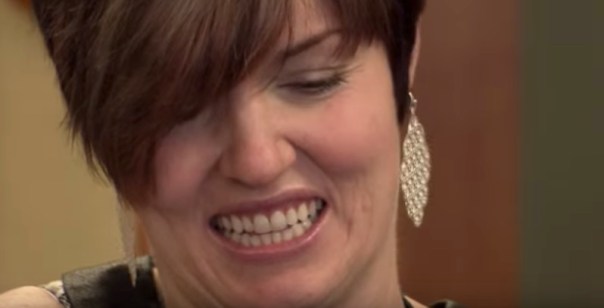
At: 09, my narrations is, “This full-service salon is Strandz hair studio.” My edit is on the word is. It is a natural moment of pause in the narration.
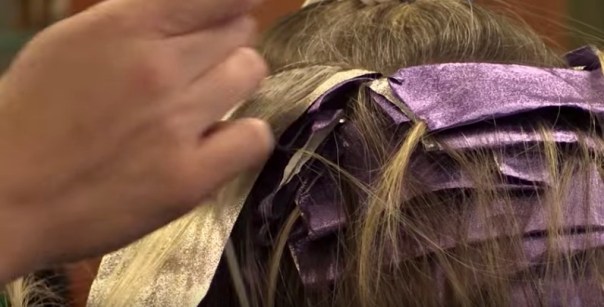
At: 13, she says, “I do own Strandz.” Then she says, “I bought it two years ago. I worked here for almost 9 years before I bought it. In the back of my mind, I always knew I would like owning my own salon, and I love it.” I make two edits based on the rhythm of her voice.
At: 19, she completes her thought, I bought it.

At: 21, she completes the thought; my own salon. I make an edit after salon, but before she starts her next thought, which is I love it.
My next narration at 22 is, “It takes a lot to run a business.”
I make an edit between a lot and run. I’m following the flow of my narration to help me decide when to make an edit.
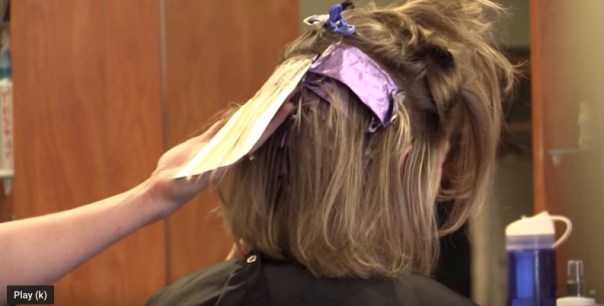
At: 28, her soundbite is, “After I started at Emily Griffith, I had a cousin in Cosmetology school at another place.” I choose to make the edit after the word cousin. I felt a natural pause in the rhythm of her voice at that moment. I made the edit based on that.
Further, into that soundbite at :33, she completes a thought, “At another place.” After place, I make an edit.
Please watch the entire story and pay attention to when I make the decision and how the rhythm of narration and soundbites can help with edit decisions.
Want another example?
Here is a story by the 2016 NPPA Photographer of the year Rob Collett.

The 1st soundbite of the story, “Baby. Black grey. 17 pounds.” Rob makes an edit after the word grey and before he says 17.
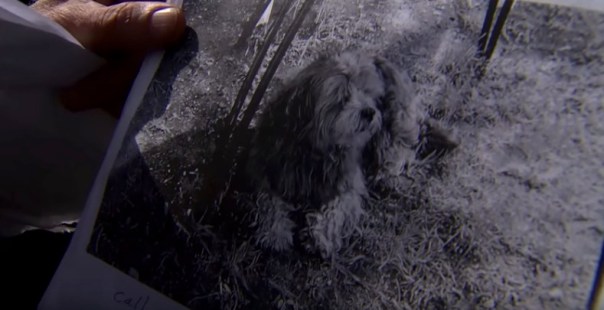
Then the narration begins. “Missing poster after missing poster.” Rob makes an edit after poster in the narration.
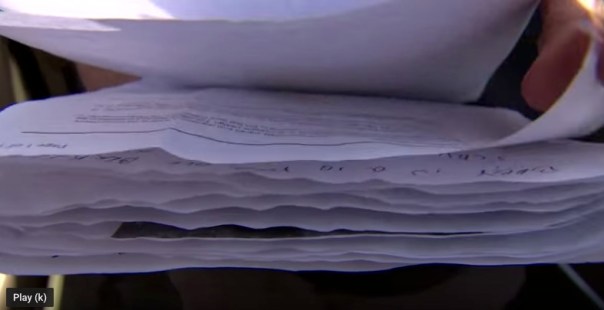
Rob’s using the rhythm of the narration to help in his edit decisions.
At: 10, the narration is, “Each, handwritten and personalized.” The edit is after each and beforehand.
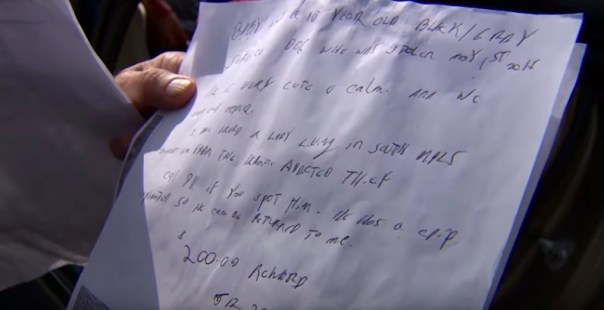
At: 18, the soundbite is, “Oh, I love his face, he’s a kisser boy. Rob makes an edit after the word face and before the word he.
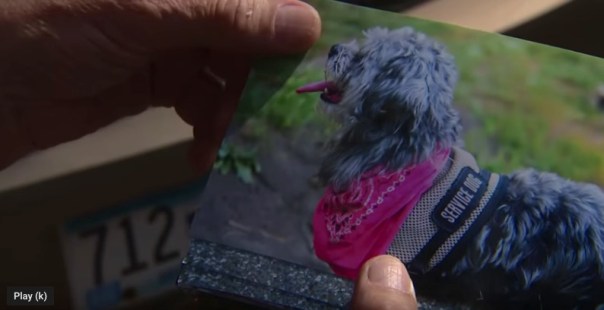
Please continue watching the story by Rob. Pay attention to the exact moment when he makes an edit. There is a definite rhythm to the story.
These little things can take your editing to the next level.
 edit-foundry.com